No Bargaining, Contract Sanctity Must Be Respected for the Sustainability of the Upstream Oil and Gas Industry
We must acknowledge that various ministries frequently fail to maintain the sanctity of contracts, and this problem has persisted for a long time. This inconsistency is also a factor impacting investment enthusiasm, which ultimately impacts oil and gas production.
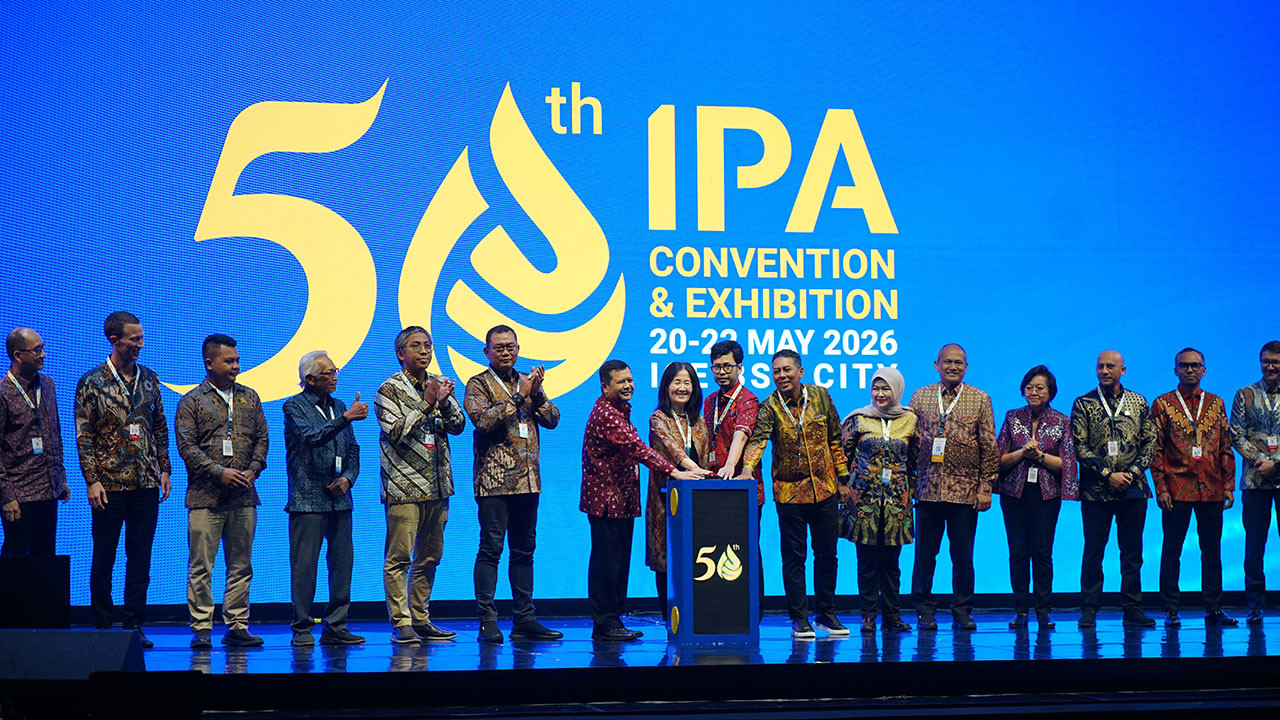
Marjolijn Wajong, Executive Director of the Indonesia Petroleum Association (IPA), urged regulators to stop creating regulations that are inconsistent with previously agreed contracts. "For the short term, stop creating new regulations that are inconsistent with our contracts. This issue is a matter of trust, and please stop it," Marjoljn emphasized during the Plenary Session, which discussed the result of global benchmarking on upstream policy recalibration for investment acceleration at IPA Convex 2026, Friday (May 22, 2026).
The next issue to address is the ease of doing business. The government and business players need to work together to find the best solution. According to her, there have been no major breakthroughs that directly impact businesses.
The ease of doing business, particularly regarding licensing, is still not optimal. Marjolijn stated, "We have accomplished many things, but a genuine transformation is necessary."
Satya Widya Yudha, a member of the National Energy Council (DEN), acknowledged that the problems faced by Production Sharing Contractors (KKKS) are difficult to resolve without cross-ministerial discussions. However, discussing them individually with the relevant ministries will undoubtedly prolong the process.
He said that the DEN has a function that could be one of the best ways to address cross-ministerial issues. One of the DEN's functions is to oversee cross-ministerial energy policies at all levels, because we want to ensure these policies are consistent with the national energy policy formulated by the DEN.
"In response to the difficulties in obtaining simple approval processes, which sometimes occur not only at SKK Migas but also across ministries, I would like to suggest that if there is an emergency situation that truly requires cross-ministerial approval, then it can be brought to the National Energy Council," explained Satya.
One recent example is the current global conflict, which has created a challenging situation. Indonesia had to purchase crude oil and fuel without fully compliant regulations due to the different circumstances. Therefore, it was deemed impossible to conduct business as usual under normal conditions.
"Therefore, this matter was brought up and discussed at the National Energy Council. Mr. Bahlil, as the daily chairman of the DEN, facilitated the decision-making process. They then proposed a special presidential decree to implement this measure," said Satya.
Filda Citra Yusgiantoro, Chairperson of the Purnomo Yusgiantoro Center (PYC), stated that Indonesia scored highly in the report, along with other comparable countries. Gas is a major strength, supported by LNG demand and infrastructure. However, Indonesia still lags behind in terms of contract certainty (contract sanctity) and fiscal flexibility. "Especially for challenging projects. We also face difficulties in terms of approval timelines. Filda stated, "So, I think we need to address these weaknesses in the long term."
Benny Lubiantara, an oil and gas practitioner, emphasized the urgent need for breakthroughs in the oil and gas industry. In addition to facilitating business operations, large-scale fiscal reform also requires attention.
The government can initiate and capitalize on the golden age of exploration by implementing radical changes in fiscal provisions to achieve what we call our energy vision here.
"Such reform is crucial because the challenge is also there. We all know that competition comes not only from the oil and gas sector, but also from low-carbon investments. So we need to have a sufficiently attractive rate of return," said Benny.